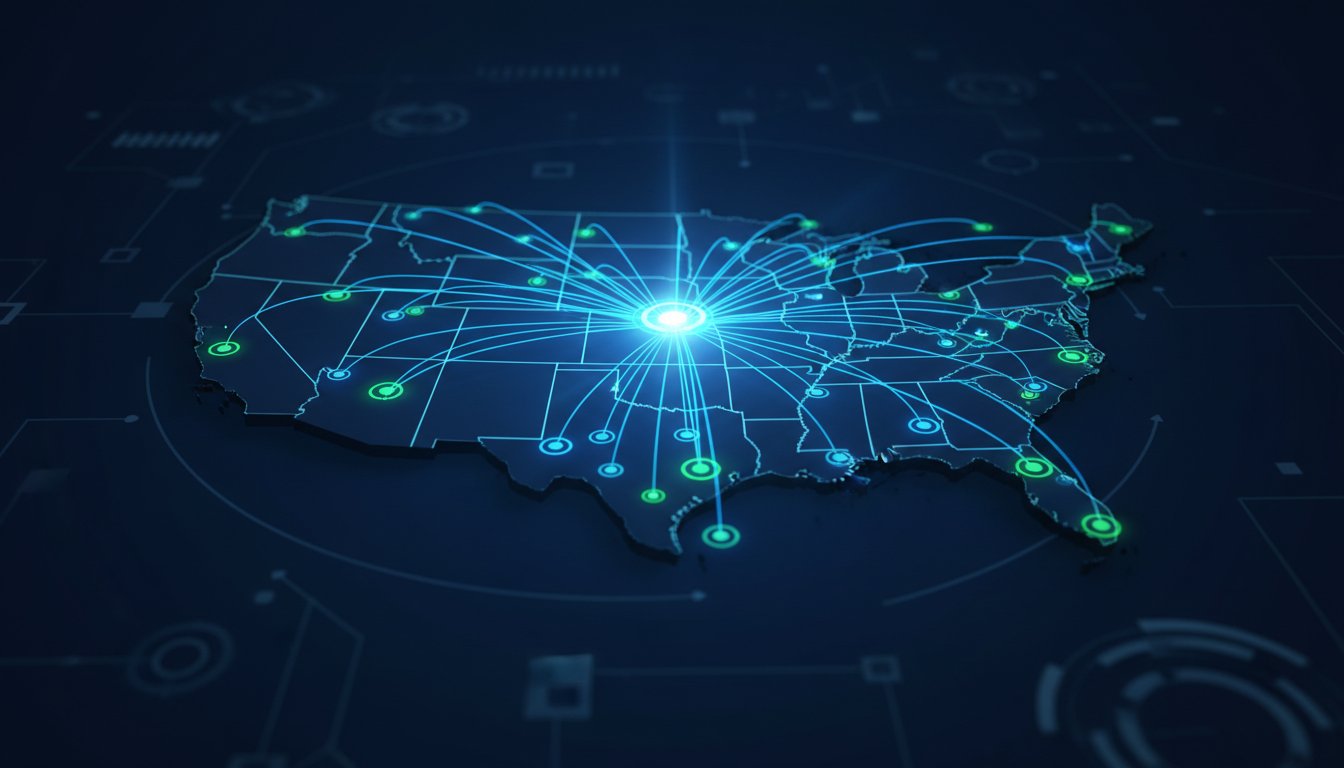
Did you know that 94% of call recipients now assume an unrecognized number is a scam? This massive trust deficit has pushed standard outbound answer rates to historic lows, leaving many sales leaders struggling to reach their prospects. However, verified data from Software Advice shows that people are nearly four times more likely to pick up when they see a Local Caller ID on their screen. Using a local area code yields a 27.5% answer rate compared to a dismal 7% for toll-free numbers.
We understand the frustration of watching your outreach efforts get flagged as “Spam Likely” while you’re trying to scale your operations. It’s a complex environment where shifting FCC regulations and new state laws like Florida’s SB 1516 can feel like a minefield. This article will show you how to transform your outreach into a primary strategic asset by using localized presence legally and effectively. You’ll learn how to achieve high-volume delivery of verified opportunities while maintaining “A” level STIR/SHAKEN attestation. We’ll also examine the latest KYC identity verification rules to ensure your growth remains both aggressive and compliant through 2026.
The outbound sales environment has reached a critical tipping point. In 2026, the traditional “One Number” approach is no longer just inefficient; it’s a liability. According to Direct Dial research, 94% of call recipients now believe unidentified or unrecognized calls are fraudulent or spam. This psychological barrier has created a massive answer rate crisis. Standard Caller ID, which displays a fixed corporate headquarters location, often triggers immediate rejection. To achieve high-volume lead generation, organizations must transition to Local Caller ID. This technology isn’t a mask; it’s a strategic display of area-relevant numbers that bridges the gap between automated systems and natural interpersonal interaction.
The statistics are undeniable. Data from Software Advice indicates people are nearly four times more likely to answer a call from a local area code, boasting a 27.5% answer rate compared to the 7% seen with toll-free numbers. When a prospect sees a familiar local code, the cognitive load decreases. They don’t see a “Telemarketer” or a “Spam Likely” tag; they see a potential neighbor or local business partner. This familiarity is a prerequisite for any brand aiming for market dominance in a crowded digital service space.
Many legacy systems still rely on a single national head office number for all outreach. This centralized model fails because it projects corporate anonymity in an era that demands person-centric communication. By 2026, consumer behavior has shifted toward local familiarity. Using a single number for national campaigns often results in your calls being ignored or blocked by carrier-level filters. Modern outreach requires a geographically relevant presence that mirrors the prospect’s own environment. This shift is essential for maintaining a positive caller reputation and ensuring your sales team doesn’t waste hours on unanswered dials.
Understanding the technical distinction between standard Direct Inward Dialing (DID) and Local Caller ID is vital for compliance. A standard DID is a fixed number assigned to a specific user or office. While useful for inbound support, it lacks the fluidity needed for national outbound scaling. In contrast, Local Caller ID (LCID) is a trust-building protocol for verified businesses that maps outbound calls to the recipient’s specific area code in real-time.
It’s important to distinguish this legitimate business tool from illegal Caller ID spoofing, which involves deceptive intent to defraud. LCID uses numbers owned and verified by the business to establish a local presence. This technological application leads to a tangible business result: higher answer rates and improved trust. By leveraging an AI-powered cloud contact center, you can ensure every call displays a verified, local number that encourages engagement rather than suspicion.
Many sales leaders hesitate to adopt Local Caller ID because they conflate it with malicious activity. This is a fundamental misconception that hinders organizational growth. Legitimate local presence is a professional strategy designed to foster natural interpersonal interaction. In contrast, illegal spoofing is defined by the FCC rules on caller ID as the deliberate manipulation of information with the intent to defraud, cause harm, or wrongfully obtain anything of value. For a verified business, presenting a geographically relevant number is about establishing trust, not deception.
The critical differentiator is the “Intent Test.” Regulators evaluate whether a caller is attempting to hide their identity to commit a crime or simply providing a familiar touchpoint to improve the user journey. When your intent is to deliver genuine value through a professional sales process, using a local number is a recognized industry practice. It ensures that your high-volume delivery of verified opportunities remains within the bounds of both professional ethics and federal law. Maintaining a professional reputation in 2026 requires this clear distinction between strategic outreach and deceptive masking.
The Truth in Caller ID Act provides the foundational guidelines for all national outreach. Transparency is the cornerstone of legal compliance. To stay protected, businesses must utilize robust infrastructure like SIP Trunking, which allows for the secure and legal management of caller identity data. This technological foundation ensures that every outbound interaction is tied to a verified business entity. It protects your brand from being incorrectly flagged by carrier-level AI filters that look for inconsistencies in call signaling.
Accuracy in your Caller Name (CNAM) data is non-negotiable for modern compliance. While you might use a local number to bridge the gap with a prospect, the associated identity must be authentic and verifiable. A legitimate business strategy always includes a functional callback path. If a prospect dials the local number back, the call should route directly to your team or a professional cloud PBX. This level of transparency separates market leaders from bad actors. If you’re ready to see how these systems function in a real-world environment, you can explore a live demonstration of our compliant outreach tools. Using these best practices ensures your organization remains a center of high-level customization and trust.
The psychological barrier to answering a phone call has never been higher. When a prospect looks at their mobile device, they make a split-second decision based on visual cues. Seeing a toll-free 800 number often triggers an immediate mental association with automated robocalls or aggressive collections. This creates a “Sales Barrier” before your agent even speaks their first word. By contrast, the “Local Trust Factor” leverages cognitive ease. Data confirms that people are nearly four times more likely to answer local area codes. This familiarity shifts the perception of the call from a suspicious intrusion to a potentially relevant local interaction.
Familiarity breeds engagement. Restoring trust in caller ID is a primary goal for organizations looking to scale. While a toll-free number suggests a distant corporate entity, a local number suggests proximity. This perceived closeness reduces the friction of the initial pickup. It’s the difference between a 7% answer rate and the 27.5% answer rate observed when using a Local Caller ID. Ultimately, these improved metrics serve one specific purpose: the high-volume delivery of verified opportunities to your sales floor.
Some critics argue that local presence is a form of deception. However, consumer behavior in 2026 suggests otherwise. Prospects actually prefer interacting with businesses that appear local, even if the physical call center is located elsewhere. The key to maintaining this trust lies in the “Natural Interpersonal Interaction” that follows the pickup. Once the call is answered, the quality of the conversation determines the outcome. A local ID simply sets the stage for a warmer, more receptive dialogue. It allows your team to bypass the initial skepticism that kills most outbound campaigns before they start.
Ignoring the impact of local presence is a costly mistake. When you calculate the expense of lead acquisition against a 2% answer rate, the math rarely works. Increasing that answer rate to 20% or higher completely transforms your unit economics. Higher engagement leads to a greater volume of AI-powered lead transfers, ensuring your top closers stay busy with qualified prospects. Local Caller ID is a strategic instrument for market dominance that turns every dial into a potential revenue event. By investing in geographically relevant outreach, you’re not just buying numbers; you’re buying the opportunity to be heard.
The “Spam Risk” or “Telemarketer” label is the primary obstacle to national outreach in 2026. When a carrier-level filter flags your number, pickup rates can plummet by 60% to 80% according to data from Vida AI Agent OS. This isn’t a result of using Local Caller ID itself; rather, it’s a consequence of poor reputation management. Carriers use sophisticated computational logic to analyze call patterns. If a single number exhibits high-volume dialing with low average talk times, it’s immediately identified as a threat. Compliant businesses stay “green” by maintaining a healthy ratio of calls and ensuring every dial is backed by verified identity data.
Maintaining a professional presence requires more than just area-relevant numbers. It demands a rigorous approach to number health. Proactive rotation and monitoring are essential to prevent your assets from being blacklisted. By treating your caller identity as a strategic instrument, you can ensure your outreach bypasses aggressive AI filters and reaches the prospect’s screen with its integrity intact. This level of technical cohesion is what separates market leaders from those struggling with dismal answer rates.
The STIR/SHAKEN framework is the definitive standard for call authentication in 2026. It assigns one of three attestation levels to every call: A, B, or C. Your business must aim for “A-level” attestation, which signifies that the provider has verified the caller’s identity and their right to use the number. Nexdial ensures your calls meet this gold standard by utilizing a compliant Cloud PBX with built-in authentication protocols. Calls with full attestation are significantly more likely to be passed through to the recipient without a warning label.
Reputation management starts with accurate CNAM (Caller Name) registration. When your business name appears clearly alongside your Local Caller ID, it reinforces the organic quality of the interaction. You should also proactively monitor your number pool. If a specific number starts showing signs of fatigue or flagging, it must be removed and replaced with a clean asset. This constant vigilance ensures the high-volume delivery of verified opportunities remains uninterrupted. To see how our platform automates these compliance checks in real-time, you can schedule a live demonstration of our intelligent dialers. Staying ahead of carrier filters is a technical necessity that we simplify through advanced automation.
Nexdial positions itself as the strategic ally at the center of high-growth outreach. Our platform moves beyond the static management of numbers to provide an intelligent orchestration layer for your sales team. The AI Dialer automatically selects the most effective Local Caller ID for every lead in real-time. This dynamic selection process removes the friction of manual configuration, allowing your agents to focus on closing rather than dialing logistics. It’s a technological application that leads directly to tangible business results and improved trust with every prospect.
Organizations that require massive scale can integrate this local presence with Voice Broadcasting to maximize their reach. This combination allows for the high-volume delivery of verified opportunities across entire regions without sacrificing the trust factor of a local area code. Every campaign is supported by real-time analytics that track which codes yield the highest conversion rates. This data reporting feels natural and cohesive, providing you with the insights needed to refine your strategy for market dominance. By analyzing these patterns, you can allocate resources to the most profitable geographic markets with surgical precision.
Nexdial’s automation handles the lifecycle of thousands of local IDs without any manual intervention from your team. This includes health monitoring and automatic number rotation to keep your reputation pristine. The goal is to ensure a seamless transition from the initial Local Caller ID display to real human-like conversations. By focusing on the organic quality of the interaction, we help you bridge the gap between automated systems and natural interpersonal communication. Nexdial remains a leader at the intersection of advanced computational logic and telecommunications, ensuring your technology is as fluid as your sales strategy.
Your outreach journey should be a primary strategic asset for your firm. By combining local presence with integrated SMS marketing, you create a multi-channel approach that reinforces brand trust. A localized text message followed by a local call significantly increases the likelihood of a positive response. It’s time to move toward a model of resource plenty and market dominance. Scale your sales with Nexdial’s AI-powered local presence today and experience the efficiency of a truly intelligent cloud contact center.
Mastering national outreach in 2026 requires a definitive shift from mechanical calling to strategic, person-centric communication. We’ve established that Local Caller ID is the primary catalyst for overcoming “Unknown Caller” fatigue and achieving the 27.5% answer rates necessary for growth. By aligning your technology with the psychological triggers of your prospects, you transform every outbound dial into a verified opportunity for your sales team. This transition from corporate anonymity to local familiarity is the standard for any brand aiming for market dominance.
Scaling your operations effectively requires a partner that understands the nuances of modern telecommunications and advanced computational logic. Nexdial provides the technical infrastructure to maintain a pristine caller reputation while delivering real human-like conversations at scale. With STIR/SHAKEN Level A Attestation and an integrated AI Dialer, our system automates your local presence with surgical precision. This is supported by 99.9% uptime for national SIP Trunking, ensuring your sales machine remains a center of high-level customization and efficiency. It’s time to replace dismal response rates with high-volume success and technical cohesion.
Maximize your answer rates with Nexdial’s compliant Local Caller ID solutions
Your journey toward total technical dominance and sales expansion starts today.
Yes, using a local presence is entirely legal for sales calls as long as you comply with the Truth in Caller ID Act. The law prohibits transmitting misleading information with the intent to defraud or cause harm. For legitimate businesses, displaying a Local Caller ID is a recognized strategy to foster trust and improve the user journey. You must ensure your identity is verifiable and that you provide a clear callback path for recipients.
The primary difference lies in intent and transparency. Illegal spoofing involves masking an identity to commit fraud or harassment. Conversely, a legitimate local presence strategy uses verified numbers that your business owns or has the legal right to use. While spoofers hide their identity, professional outreach systems use these numbers to provide geographic relevance and encourage natural interpersonal interaction during the sales process.
Using a local code doesn’t cause blocks; however, your calling behavior might. Carriers use AI to monitor patterns such as high-volume dialing and low average talk times. If your numbers are flagged, it’s usually due to these metrics rather than the area code itself. Maintaining a healthy number pool and following STIR/SHAKEN protocols ensures your calls remain green and bypass aggressive carrier-level filters.
The impact is substantial and data-driven. Research from Software Advice shows that prospects are nearly four times more likely to answer calls from local area codes than from toll-free numbers. Specifically, local codes yield a 27.5% answer rate, while toll-free numbers often struggle at just 7%. This shift significantly lowers the sales barrier and enables the high-volume delivery of verified opportunities to your closers.
No, physical offices are not required to establish a local presence. Modern telecommunications allow businesses to utilize SIP Trunking and Cloud PBX systems to display local numbers regardless of their physical location. This technological application provides the fluidity needed to scale national campaigns from a centralized hub. It transforms your outreach into a primary strategic asset without the overhead of multiple physical locations.
STIR/SHAKEN is the framework that authenticates your identity to the receiving carrier. To succeed, your calls should achieve “A” level attestation, which confirms you have the right to use the Local Caller ID displayed. Without this verification, your calls are at a higher risk of being labeled as “Spam Likely.” Using a compliant cloud contact center ensures your calls are properly signed and verified at the carrier level.
Yes, intelligent dialer systems are designed for seamless CRM integration. This allows your team to automatically match outbound numbers to the prospect’s location directly from your lead database. Integrating these tools ensures that your data processing remains efficient and that every interaction is logged accurately. This technical cohesion helps maintain a structured workflow while you focus on scaling your market dominance.
The number of assets required depends on your daily call volume and the breadth of your geographic targeting. To protect your caller reputation, you should avoid over-using a single number for high-volume campaigns. A diverse pool of numbers allows for healthy rotation, which prevents any single ID from being flagged as suspicious by carrier AI. This strategy ensures consistent deliverability across all your targeted regions.
© 2019 - 2026 Nexdial, Inc. | All right reserved