Did you know that conversational AI is projected to slash global contact center labor costs by $80 billion this year alone? If your business is still anchored to a legacy PBX system, you aren’t just paying for high maintenance; you’re missing out on the automated revolution. Understanding the on-premise vs cloud contact center pros and cons is no longer a technical chore, it’s a requirement for market dominance. It’s understandable to feel protective of your existing infrastructure, especially when security and data control are non-negotiable for your operations.
We recognize the frustration of trying to manage remote teams or integrate modern AI dialers with aging hardware that simply wasn’t built for the speed of 2026. This strategic guide will help you master the critical differences so you can choose the right communication engine for aggressive business growth. We will provide a clear ROI framework for cloud migration, address your security concerns with verified facts, and demonstrate how AI-native tools transform the customer journey into a primary strategic asset. You’ll gain a comprehensive understanding of how to scale your outreach and secure a competitive edge in an increasingly automated world.
For organizations looking to extend these efficiency gains into their physical workspaces or industrial facilities, you can check out EdNex Automation to discover how advanced robotic systems are transforming commercial operations.
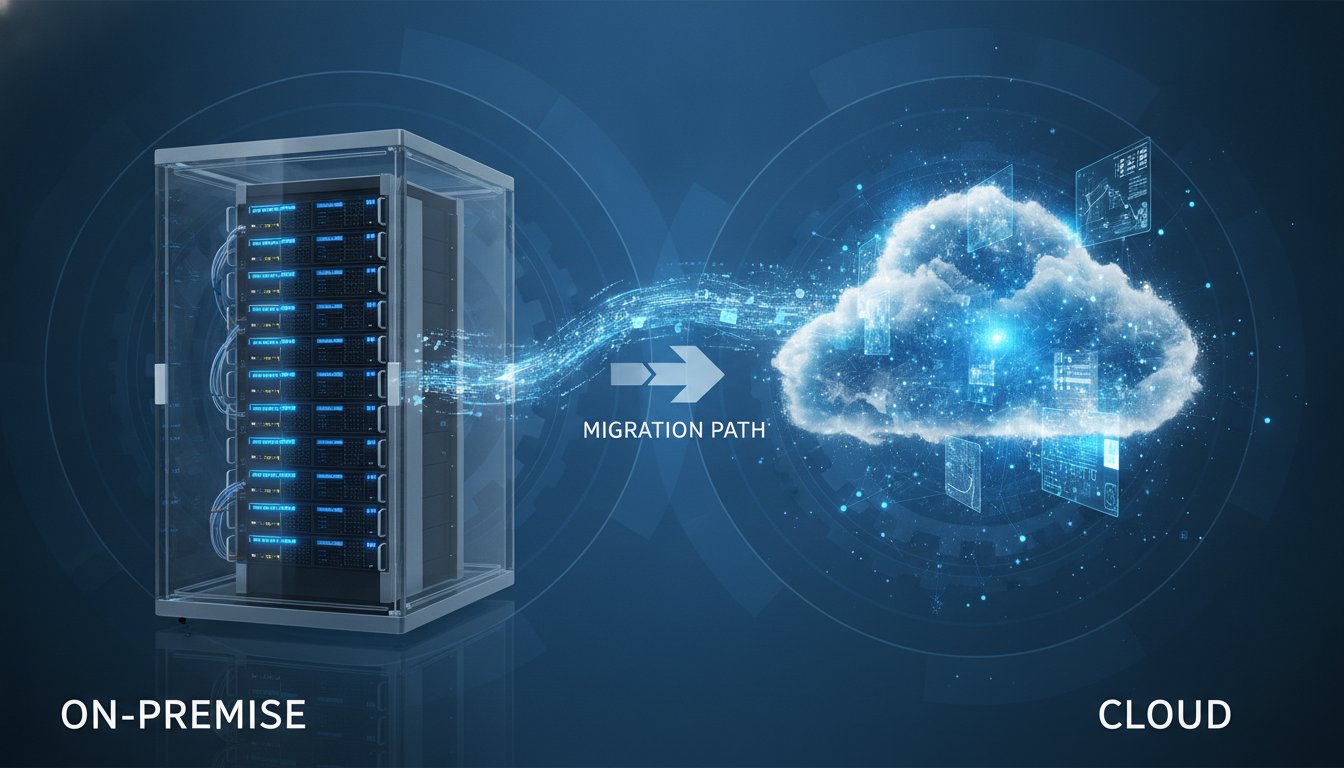
The evolution of contact centers has reached a critical turning point where infrastructure dictates market survival. In the 2026 business environment, the distinction between hosting models is no longer just a technical preference; it’s a strategic pivot point for growth. On-premise systems represent the legacy architecture of the past decade. These are capital-intensive setups where physical Private Branch Exchange (PBX) hardware lives in your server room. Conversely, cloud contact centers operate as Software-as-a-service (SaaS) models. They utilize virtual servers and remote data centers to deliver communication tools through a standard internet connection. This shift removes the physical limitations of your office walls and places your communication engine in a fluid, digital environment.
Choosing between these models requires a deep dive into on-premise vs cloud contact center pros and cons. The current landscape prioritizes agility over fixed physical infrastructure. Businesses that rely on rigid hardware find themselves unable to pivot when market conditions shift or when remote work becomes a necessity. The new industry benchmark is the “AI-first” contact center. This standard implies that AI isn’t just an add-on; it’s the core logic driving every interaction. Cloud architectures facilitate this by allowing instant integration of advanced computational tools that legacy systems simply can’t support without massive, manual overhauls.
The financial shift from Capital Expenditure (CapEx) to Operational Expenditure (OpEx) is the most immediate benefit of cloud adoption. On-premise models demand massive upfront investments in hardware and licenses that depreciate over time. Cloud models offer a predictable monthly subscription that scales with your actual usage. This flexibility directly dictates the speed at which your team can implement AI in sales. If you need a predictive dialer to triple your outreach, cloud systems deploy it in hours. Legacy hardware might require months of procurement and installation. System uptime is the final factor here. In a high-volume environment, every minute of downtime is lost revenue. Cloud providers offer geographically redundant servers that ensure your communication engine never stops.
SIP trunking serves as the digital bridge for your voice data. In a legacy on-premise setup, you often manage on-site SIP gateways. These act as physical bottlenecks that require manual maintenance and specialized IT staff. Modern cloud architecture uses direct cloud-to-provider connections. This eliminates the need for local hardware and significantly reduces latency. For companies focused on national outreach, cloud-based SIP trunking provides superior reliability. It allows you to maintain high-quality voice connections across diverse geographic regions without the risk of local hardware failure. Balancing on-premise vs cloud contact center pros and cons means recognizing that your underlying transport layer is just as vital as the software itself.
Owning your hardware provides a sense of absolute sovereignty. For large enterprises in highly regulated sectors like banking or government, the physical presence of a server rack offers a tangible layer of data security. These organizations often favor on-premise solutions because their legal departments demand that data never leaves the internal network. However, the physical reality of maintaining server racks, cooling systems, and intricate wiring often translates into a resource drain. Evaluating on-premise vs cloud contact center pros and cons requires an honest look at the operational burden of hardware. To understand why modern enterprises are shifting, it helps to contrast these legacy setups with the NIST definition of cloud computing, which emphasizes on-demand resource availability and rapid elasticity; traits that legacy systems inherently lack.
The “Total Control” myth often collapses under the weight of 2026 security requirements. While you own the box, you also own the responsibility of patching every vulnerability and securing every physical entry point. This becomes a logistical nightmare for distributed or remote sales teams. Connecting a remote agent to an on-site PBX usually involves complex VPNs that introduce latency and degrade voice quality. When weighing on-premise vs cloud contact center pros and cons, the “control” factor is often the most misunderstood, as it frequently masks a lack of modern flexibility.
Technical debt is a silent profit killer. Sticking with a 10-year-old PBX system creates a trap where you’re paying for licensing renewals on depreciating assets. Hidden expenses like emergency hardware repairs and specialized cooling for server rooms inflate your budget. Finding technicians who understand specialized legacy hardware is increasingly difficult as the workforce shifts toward cloud-native skills. If you want to see how modern teams bypass these hurdles, you can explore a live environment that prioritizes software over hardware.
Internal data sovereignty remains the primary appeal for legal teams who fear the public cloud. Yet, physical security doesn’t automatically equal digital safety. Local networks are often more vulnerable to entry point breaches than hardened cloud environments maintained by global security teams. Compliance is another hurdle. As of January 2025, the TCPA requires individual, one-to-one consent for automated outreach. Achieving this level of precision with non-automated legacy tools is nearly impossible, leaving your business exposed to significant legal risks and fines.
Cloud-based contact centers redefine organizational fluidness by offering a “Zero-Footprint” architecture. Unlike the hardware-heavy legacy systems previously discussed, cloud solutions eliminate the need for on-site servers or physical maintenance. This infrastructure enables intelligent business communication by moving the entire telephony stack to virtual environments. The primary advantage is speed. During peak sales seasons, your leadership can scale the workforce by adding 100+ agents in minutes without ordering a single cable or handset. This elasticity is a cornerstone of the on-premise vs cloud contact center pros and cons analysis, as it allows businesses to respond to market opportunities in real time.
Beyond simple hosting, cloud platforms offer native integration with advanced predictive and power dialers. While legacy systems struggle to sync with third-party software, cloud-native environments are built for seamless data exchange. This architectural synergy ensures that your outbound call center software functions as a cohesive unit, maximizing every second of agent uptime. When you remove the friction of hardware, your team can focus on the primary goal: high-volume delivery of verified opportunities.
Cloud architecture serves as the launchpad for real, human-like conversations driven by AI. These systems utilize sophisticated answering machine detection and local caller ID to ensure higher connect rates. The most transformative application is the AI SDR. This software prequalifies leads through natural interaction before a human agent ever picks up the phone. By automating the top of the funnel, you ensure your high-value closers only speak with prospects who are ready to convert. This level of automation turns your customer journey into a primary strategic asset.
The modern workforce isn’t tethered to a single zip code. Cloud systems unify a national or even global team under one centralized platform, ensuring consistent data reporting and management across all regions. High-performance cloud providers prioritize low-latency voice broadcasting, which is essential for maintaining professional standards during high-volume outreach. Citing the cloud contact center advantages found in recent industry reports, it’s clear that digitalization is the only way to support a truly hybrid workforce. Additionally, integrating channels like SMS marketing into your cloud suite creates a multi-touch strategy that legacy PBX systems simply can’t replicate. When weighing the on-premise vs cloud contact center pros and cons, the ability to engage customers where they live is a decisive factor for 2026.
A rigorous analysis of on-premise vs cloud contact center pros and cons requires looking past the initial invoice. When you evaluate the Total Cost of Ownership (TCO) over a five-year period, the financial narrative shifts. On-premise systems demand heavy Capital Expenditure (CapEx) for hardware and perpetual licenses. While these may seem like one-time costs, the ongoing expenses for specialized IT staff, server room electricity, and physical space often exceed the predictable monthly subscription of a cloud model. Organizations seeking further efficiency in their SaaS stack can use LicenseIQ to discover and recover wasted spend on Microsoft 365 licenses. Cloud platforms excel in high-volume lead generation workflows because they aren’t restricted by physical CPU limits. You can scale your outreach intensity without worrying about a local server crashing under the load.
Integration is where the technical divide becomes most apparent for growth-focused firms. Building a unified sales engine requires deep, real-time data synchronization between your communication platform and your CRM. Cloud-native systems use robust APIs to ensure every call, text, and lead status update is reflected across your stack instantly. On-premise hardware often relies on fragile “middleware” that introduces lag and potential points of failure. This lag can be the difference between reaching a hot lead first or losing them to a faster competitor.
The 2026 reality is that cloud providers often maintain better security budgets than individual firms. Achieving SOC2, HIPAA, and GDPR compliance is a built-in feature of top-tier cloud environments. These providers employ global security teams to monitor threats 24/7, a level of vigilance most private firms can’t afford for their on-site servers. Disaster recovery also favors the cloud. If your office loses power or suffers a local network failure, a cloud-based system remains active, allowing your agents to log in from any secondary location. On-premise systems are single points of failure; if the server room goes dark, your revenue stops.
Speed of feature adoption is the new competitive baseline. In a cloud environment, AI dialer updates happen weekly. These “invisible” updates ensure your team always has the latest answering machine detection logic and local presence tools. Contrast this with the multi-month “patch cycles” required for on-premise software. By the time you’ve manually upgraded your hardware to support a new AI feature, your cloud-based competitors have already been using it for a quarter. This delayed innovation is a significant disadvantage when weighing on-premise vs cloud contact center pros and cons in a fast-moving market. To see how these variables impact your specific operation, book a technical walkthrough today and compare the performance metrics side-by-side.
Transitioning from legacy hardware to a virtualized environment is a strategic evolution that secures your market position. This shift represents the final resolution of the on-premise vs cloud contact center pros and cons debate. It isn’t merely a technical swap; it’s a commitment to high-volume delivery of verified opportunities. A successful migration requires a structured approach to ensure your revenue generation remains uninterrupted during the cutover.
The path to modernization follows a precise four-step framework. First, perform an infrastructure audit to inventory your current CRM data and compliance requirements. Second, execute cloud configuration by mapping your IVR flows and virtual SIP trunks within the new software environment. Third, initiate parallel deployment. This allows you to run the cloud platform alongside your legacy hardware for real-time testing without risking downtime. Finally, perform the full cutover and activate your AI features. Once live, the focus shifts to training your agents to work alongside human-like AI interactions, ensuring that every automated touchpoint feels organic and professional.
The immediate result of cloud migration is the removal of idle time. Predictive dialers utilize advanced logic to pace outbound calls based on agent availability, ensuring your team spends more time talking and less time waiting. This efficiency is amplified by voicemail drop software, which allows agents to leave perfectly delivered, pre-recorded messages with a single click. These tools ensure that your outreach volume scales vertically without increasing your headcount. When you leverage intelligent automation for immediate lead qualification, your closers only engage with prospects who have already demonstrated high intent. This streamlined journey transforms your customer outreach into a primary strategic asset for market dominance.
The Nexdial AI-powered cloud platform is designed for organizations that refuse to be limited by depreciating hardware. Our architecture provides the technical cohesion necessary to unify your sales engine and maximize outreach efficiency. By choosing a partner that understands the nuances of proactive business development, you gain more than just software; you gain a strategic ally. We invite you to move beyond the limitations of legacy systems and embrace a future of resource plenty. You can schedule a consultation today to begin your migration and see how our automated solutions deliver a measurable ROI. Your journey toward a more efficient, AI-driven communication engine starts with a single strategic decision.
Choosing the right communication engine is the most significant strategic decision your leadership will face this year. We’ve analyzed the on-premise vs cloud contact center pros and cons to reveal a clear reality: the era of rigid, physical hardware is giving way to the fluid power of the cloud. Success in 2026 depends on your ability to deploy new features weekly and scale your workforce instantly to meet market demand. By moving away from legacy technical debt, you unlock the potential for aggressive growth and superior lead conversion.
The transition to a virtualized center is more than a cost-saving measure; it’s a move toward total market dominance. You can experience the power of AI-driven outreach with a Nexdial Cloud Demo to see these advantages in action. Our platform delivers high-efficiency predictive and power dialers, seamless CRM integration for unified workflows, and intelligent automation for prequalified lead transfers. Transforming your outreach into a primary strategic asset starts with embracing the next generation of telecommunications logic. We’re ready to help you build a more productive, automated future today.
Cloud security is generally superior due to the massive scale of provider resources. Top-tier providers maintain specialized teams that monitor threats 24/7, a level of vigilance that on-site IT departments rarely match. These environments are built with SOC2, HIPAA, and GDPR compliance as foundational elements. When comparing on-premise vs cloud contact center pros and cons, the ability to outsource security to global experts often provides significant relief for organizational leaders.
Migration timelines vary but typically range from a few days to several weeks. A structured approach involves parallel deployment, where you configure the cloud environment while your legacy hardware remains active. This ensures zero downtime during the cutover. The process includes data mapping, IVR configuration, and agent training. Modern cloud platforms prioritize a seamless transition so your revenue generation remains steady throughout the entire modernization journey.
You can absolutely retain your existing local caller IDs through a process called number porting. Additionally, cloud systems offer local presence features that allow your team to display geographically relevant numbers to prospects. This strategy is vital for maintaining high connect rates and building natural trust with your audience. Retaining your established identity ensures that your customer journey remains consistent even as you upgrade your underlying technology.
The primary difference lies in the shift from Capital Expenditure to Operational Expenditure. On-premise systems require massive upfront hardware investments and ongoing maintenance costs. Cloud models offer a predictable monthly subscription that scales with your actual usage. Over a five-year period, the total cost of ownership for cloud solutions is often lower because it eliminates expenses like server room cooling, dedicated IT labor, and physical hardware depreciation.
High-volume dialing requires a stable, high-speed internet connection with low latency. Each concurrent voice call typically needs about 100kbps of bandwidth. For a center with 50 agents, a dedicated fiber connection is recommended to ensure crystal-clear voice quality. Implementing Quality of Service (QoS) settings on your router will prioritize voice traffic over other data, preventing jitter and ensuring that your automated interactions remain organic and professional.
AI-powered centers utilize intelligent logic to screen prospects before they reach a human agent. Tools like AI SDRs engage in naturalistic interactions to verify intent and gather preliminary data. This process ensures that your high-value closers only receive prequalified, verified opportunities. By automating the top of the funnel, you significantly increase your conversion rates and ensure your team focuses solely on high-intent leads that are ready to close.
SIP trunking is the essential digital bridge that connects your cloud platform to the global telephone network. While many cloud providers include this connectivity in their service packages, the underlying technology remains the same. It replaces physical phone lines with virtual connections, allowing for greater scalability and reliability. Understanding SIP trunking is a key part of evaluating on-premise vs cloud contact center pros and cons, as it enables the global connectivity modern firms require.
Most modern cloud platforms are designed to integrate with both cloud-native and legacy CRM systems using robust APIs. This technical cohesion ensures that your call data and lead statuses sync in real time across your entire stack. You don’t need to replace your existing CRM to benefit from cloud-based automation. Instead, the cloud platform acts as an intelligent layer that enhances your current tools, creating a unified sales engine for your team.
© 2019 - 2026 Nexdial, Inc. | All right reserved