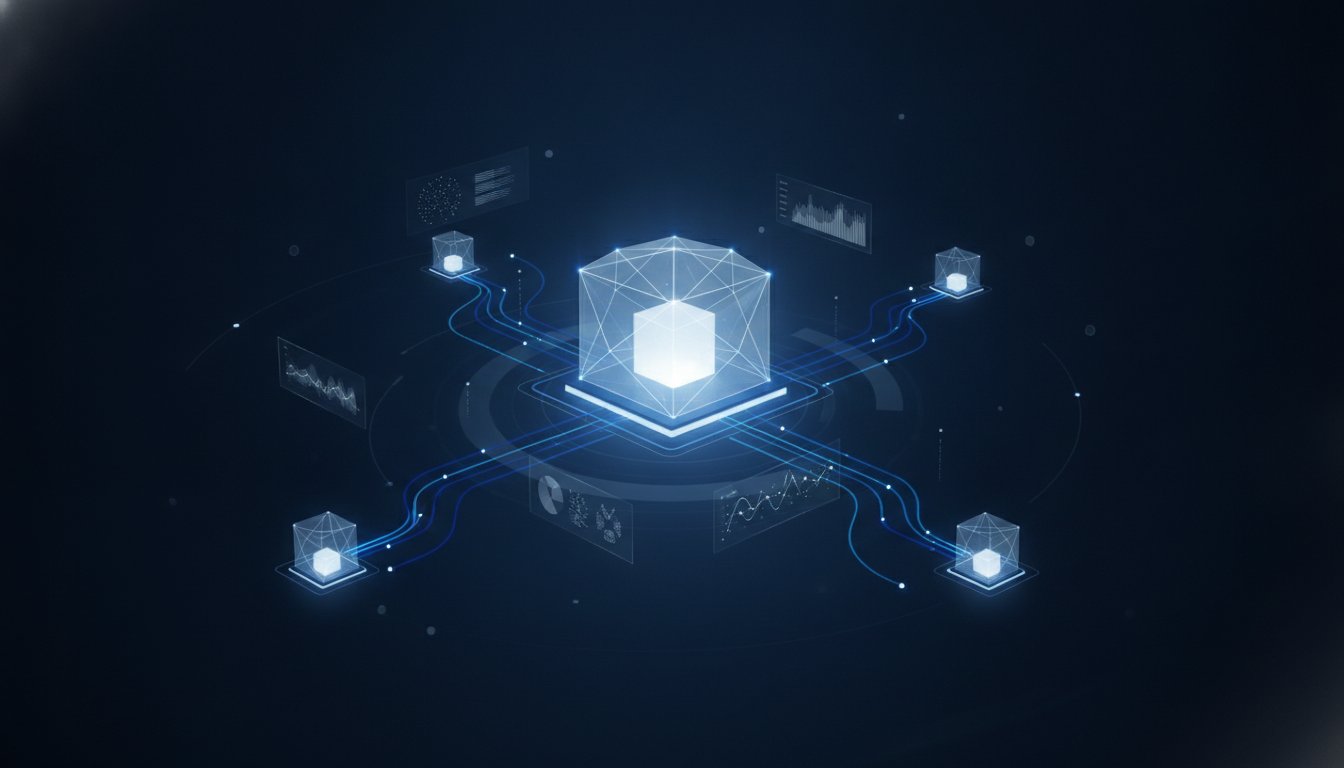
By the start of 2026, businesses transitioning from traditional landlines to cloud-native systems reported saving up to 60% on their monthly communication expenses. If you’re still managing a physical closet of wires, you’re likely facing the high maintenance costs and limited flexibility that define legacy hardware. It’s frustrating to watch your remote sales teams struggle with tools that can’t keep up with modern outreach demands. You need to understand what is a cloud pbx to transform your communication from a simple utility into a strategic data engine.
We recognize that maintaining high answer rates and protecting your number reputation is harder than ever in the current regulatory environment. This guide promises to show you how to unlock the full potential of cloud-native telephony to scale your business outreach and integrate advanced AI-powered communication logic. We’ll explore how to build a scalable hub that lowers CAPEX while utilizing AI-driven features to ensure human-like interactions. You’ll gain a clear roadmap for transitioning your infrastructure into a high-performance instrument for market dominance.
Understanding what is a cloud pbx requires looking past the simple concept of an internet phone. It’s a virtualized Business telephone system hosted in secure, redundant data centers. This technology marks a fundamental shift from physical copper wires to SIP-based packet switching. In 2026, the transition is no longer optional; it’s a strategic necessity for any firm looking to scale. By moving the “brains” of your phone system to the cloud, you eliminate the “Hardware Debt” associated with on-premise servers. This cloud-native approach ensures instant global accessibility and a zero-hardware footprint. It’s a total transformation. Your team gains access to sophisticated tools like auto-attendants, intelligent routing, and virtual extensions that scale instantly with your growth.
The backbone of this infrastructure is the Session Initiation Protocol (SIP). In the 2026 landscape of 5G and ubiquitous fiber, SIP manages voice data with extreme precision. It treats voice as high-priority data packets to ensure crystal-clear quality even during high-volume periods. Central to this experience is the Softphone. These applications turn any laptop or mobile device into a professional business terminal, allowing your team to operate from anywhere in the United States without losing functionality. Because the system utilizes a multitenant architecture, you benefit from lower operational costs and faster feature updates than legacy systems ever allowed. This structure means you’re always using the latest version of the software without needing a technician on-site.
Many leaders confuse VoIP with a Cloud PBX, but the distinction is critical for your operational strategy. When you ask what is a cloud pbx in a commercial context, you’re looking for the logic that manages conversations, not just the technology that carries them. VoIP is the underlying technology that transmits voice over the internet. A Cloud PBX is the sophisticated management system that sits on top of that technology to provide administrative control. While a simple VoIP line might let you make a call, the PBX provides the advanced logic required for professional sales. It handles complex call queues, ring groups, and deep performance analytics. In 2026, professional operations require this full suite to manage high-volume outreach and maintain a polished brand image. It’s the difference between having a single phone line and owning a comprehensive communication hub designed for market dominance.
A modern communication hub does more than route calls; it serves as the essential data layer for advanced sales automation. When evaluating what is a cloud pbx in 2026, it’s vital to view it as the mandatory foundation for AI Dialer software. This cloud-native architecture allows for the delivery of human-like automated conversations by processing voice data through high-speed servers before it ever reaches the recipient. The synergy between PBX logic and intelligent answering machine detection ensures that your resources are never wasted on silent lines or recording beeps. Every interaction becomes a trackable, analyzable event that fuels your broader growth strategy.
High-volume sales engines require an infrastructure that can handle thousands of concurrent data packets without degradation. A robust What is Cloud PBX? solution utilizes low-latency SIP trunking to facilitate seamless prequalified lead transfers. This speed is critical. Traditional landlines simply cannot support the rapid-fire pacing of AI-driven outreach. By utilizing cloud-native packet switching, your dialer can cycle through leads with surgical precision, ensuring that live connections are routed to available agents in milliseconds. This efficiency transforms your outreach from a manual chore into a high-velocity revenue generator that scales with your ambitions.
The true power of a cloud-based system lies in the data it generates for AI in sales. Because the audio stream is digital from end to end, the system can perform instant sentiment analysis and provide real-time coaching to your team. This allows managers to identify successful speech patterns and replicate them across the entire organization. Voice broadcasting also benefits from this cloud-native logic, enabling B2B lead generation at a scale previously reserved for enterprise giants. If you’re ready to see how this technical cohesion can drive your market dominance, you might consider how a live walkthrough of these AI features could fit your current workflow. By bridging the gap between automated systems and natural interpersonal interaction, you secure a significant competitive advantage in a crowded marketplace.
The year 2026 marks a definitive turning point for organizations still tethered to physical hardware. Traditional on-premise systems require massive upfront CAPEX for servers that begin depreciating the moment they are installed. When you evaluate what is a cloud pbx in a financial context, you’re looking at a shift to a flexible OPEX model. This transition effectively eliminates “Hardware Debt.” You no longer need to budget for dedicated cooling, physical floor space, or the constant attention of on-site technicians. Legacy landlines are static and restrictive. Cloud systems are fluid and responsive. Adding 100 new extensions takes minutes through a centralized dashboard. It doesn’t take weeks of waiting for a specialist to pull copper through your walls. Understanding what is a cloud pbx means recognizing that your communication infrastructure should be a strategic asset, not a mounting liability.
Hidden costs often cripple the budgets of firms clinging to legacy setups. These organizations remain trapped by proprietary desk phones and restrictive per-feature licensing fees. Modern CRM Integration changes the ROI calculation by automating manual data entry and syncing call records instantly. This reduces labor costs and ensures your sales data is always accurate and actionable. This represents the transition from owning depreciating assets to subscribing to evolving capabilities. You stop paying for the iron and start investing in the outcomes. By moving to the cloud, you ensure that every dollar spent contributes directly to your market dominance rather than just keeping the lights on in a server room.
There’s a “Reliability Paradox” that many leaders overlook. A single PBX box in your office represents a single point of failure. If your building loses power, your business goes silent. Decentralized cloud servers are inherently more resilient. If a local outage occurs, the cloud network automatically reroutes traffic to mobile softphones or remote branches without a second of downtime. Geo-redundancy across multiple data centers allows providers to maintain a 99.999% uptime SLA. Remote work isn’t just a trend; it’s a core operational requirement that’s impossible to sustain without a cloud-native communication backbone. This technical cohesion ensures your team stays connected to verified opportunities, regardless of local infrastructure challenges.
Maintaining a high connect rate in 2026 requires more than just a functional dialer. It demands a sophisticated understanding of what is a cloud pbx as a compliance-first gateway. The full enforcement of STIR/SHAKEN protocols means that unverified traffic is often blocked at the carrier level or flagged as “Spam Likely” before the recipient’s phone even rings. To combat this, your system must support verified identity tokens that prove your calls are legitimate. Managing your number reputation involves strategic rotation and the use of local caller ID branding to maintain trust. Without these safeguards, even the most advanced AI outreach will fail to reach its target audience. Professional sales teams can’t afford to ignore these regulatory hurdles.
Carrier-grade reliability is the second pillar of successful implementation. Tier 1 connectivity ensures that your voice data travels over the most direct and stable paths available. This isn’t just about avoiding dropped calls; it’s about the precision required for AI-powered interactions. When your system uses high-quality routes, the latency is low enough for automated logic to detect a live human voice and respond instantly. Understanding what is a cloud pbx in this high-stakes environment means recognizing the difference between a consumer-grade VoIP app and a robust, carrier-integrated hub designed for market dominance.
Ensuring your Cloud PBX provider supports “Safe Harbor” dialing is essential for long-term operational security. This status provides a layer of protection against aggressive TCPA litigation by demonstrating that your firm follows industry-standard best practices. Local caller ID increases connect rates by showing a familiar area code, but it must be managed through a unified cloud contact center to ensure compliance with DNC lists. If you’re ready to secure your outreach against shifting regulations, you can schedule a technical demo of our compliance-first architecture to see these safeguards in action.
Professional voice interactions are easily ruined by jitter, latency, and packet loss. These technical failures create the “robotic” lag that immediately signals an automated system to the prospect. B2B outreach in 2026 requires high-fidelity codecs that deliver human-like audio quality. This clarity is vital for sentiment analysis tools to accurately gauge a prospect’s interest. Additionally, the impact of B2B SMS marketing strategies on your overall number reputation cannot be ignored. A holistic communication strategy ensures that your voice and text channels work together to build authority rather than triggering spam filters. High-performance teams prioritize these technical standards to ensure every interaction contributes to their strategic growth.
Nexdial serves as the definitive bridge between standard communication and true market dominance. Our ecosystem isn’t just about making calls; it’s about optimizing the entire outreach lifecycle. By integrating SIP trunking directly into our cloud infrastructure, we’ve created a system where the question of what is a cloud pbx is answered by the raw performance of our predictive dialer engine. This technical cohesion allows for human-like automated conversations that qualify leads with a level of organic fluidity that mechanical competitors simply can’t match. Every voice interaction is processed through our advanced logic to ensure that your brand remains authoritative and professional at every touchpoint. It’s a comprehensive solution designed for leaders who refuse to settle for average connectivity.
Managing high-volume outreach requires a single, high-efficiency dashboard that eliminates data silos. Nexdial consolidates voice, SMS, and CRM data to provide a unified, real-time view of your sales funnel. This integration facilitates the seamless transfer of prequalified leads to your human agents the moment a connection is verified by our AI SDR software. You don’t have to worry about the technical debt or maintenance cycles of legacy systems. Our real-time analytics allow you to monitor number performance constantly, ensuring you stay ahead of carrier flags by rotating identities before your reputation is compromised. This level of scalability is achieved without any additional IT infrastructure, allowing your team to focus on closing deals rather than troubleshooting hardware.
The year 2026 represents a critical juncture for business development in the United States. Organizations that continue to rely on the limitations of legacy telephony will find themselves sidelined by more agile, AI-powered competitors. Moving beyond the “closet of wires” is no longer just a cost-saving measure; it’s a strategic move toward resource plenty and technical cohesion. If you’re still exploring what is a cloud pbx and how it can revolutionize your specific workflow, the most direct path to clarity is a hands-on experience. You are invited to book a demo to see Nexdial in action and witness how our automated solutions transform the user journey. Don’t let your communication remain a bottleneck. It’s time to transform your outreach into a strategic competitive asset that drives your firm toward total market dominance. This transition provides the relief of automation and the excitement of rapid expansion.
The transition to cloud-native telephony is no longer just a technical upgrade; it’s a fundamental repositioning of your business for the AI era. By now, you understand that what is a cloud pbx is actually the foundation for a high-velocity sales engine that bridges the gap between automated logic and human-like conversation. You’ve seen how removing physical hardware debt and embracing geo-redundancy ensures your operations remain resilient against local disruptions. This technical cohesion is what separates market leaders from those struggling with legacy limitations.
Integrating these systems with AI-powered predictive dialer technology and STIR/SHAKEN compliant local caller ID allows you to scale your outreach without sacrificing trust. Seamless CRM synchronization ensures that every verified opportunity is captured and acted upon with surgical precision. It’s time to transform your user journey into a primary strategic asset that fuels consistent growth. Experience the future of business communication: Request your Nexdial demo today. Your journey toward market dominance starts with a communication infrastructure that works as hard as your sales team. We’re here to help you scale with confidence.
A cloud PBX is a virtualized telephone exchange hosted in secure data centers that manages business communications via the internet. For sales teams, it acts as the central hub for AI dialer software and automated outreach. It routes calls through high-speed servers, allowing agents to connect with prospects from any location while maintaining a professional presence. This infrastructure supports high-volume lead generation by providing the technical logic needed for complex call queues and intelligent routing.
No, you don’t need proprietary hardware or physical on-premise servers to operate a modern system. A cloud PBX runs entirely on virtualized infrastructure accessible through softphone applications on laptops or mobile devices. While some firms choose to keep SIP-compatible desk phones, they’re entirely optional. This shift eliminates the hardware debt of legacy systems, allowing your team to scale without purchasing new equipment or waiting for on-site technician installations.
Yes, you can port your existing phone numbers to a cloud-based system through a standard industry process. This ensures that your established brand identity remains intact while you upgrade to a more scalable infrastructure. Most providers facilitate the transfer of local, toll-free, and vanity numbers seamlessly. Once ported, these numbers gain the benefits of cloud logic, such as advanced routing and integration with your outbound call center software to maintain operational continuity.
Improving answer rates depends on maintaining a verified number reputation and using local caller ID branding. A cloud PBX supports STIR/SHAKEN compliance, which prevents your calls from being flagged as spam by major carriers. By presenting a verified identity and rotating numbers strategically, you build trust with recipients. This technical foundation is essential for high-volume outreach, as it ensures your AI-powered calls actually reach the prospect’s screen instead of being blocked.
Professional cloud systems utilize enterprise-grade encryption and geo-redundant data centers to protect your communication data. These platforms are designed to meet rigorous standards, providing more security than a single on-site box. By centralizing data in the cloud, you gain better control over access logs and recording storage. This infrastructure is a strategic instrument for market dominance, offering both high-level security and the flexibility required for modern, compliant sales operations across the United States.
VoIP is the underlying technology that transmits voice data, while a cloud PBX is the management system that provides business logic. A standard VoIP line allows you to make calls, but it lacks the sophisticated routing, auto-attendants, and call queues required for professional sales. Understanding what is a cloud pbx means recognizing it as a comprehensive hub that orchestrates high-volume traffic and integrates with your broader sales stack for maximum efficiency and growth.
Integration occurs through APIs that synchronize call data, recordings, and lead information in real time. When you understand what is a cloud pbx, you see it as a data engine that automates manual logging. This connection allows your sales team to see a prospect’s history the moment a call connects. It reduces labor costs and ensures your CRM remains a single source of truth for all customer interactions, fueling more intelligent and personalized outreach strategies.
High-quality voice calls typically require approximately 100 kbps of dedicated bandwidth per concurrent call. For a sales team of 20 people making simultaneous calls, a stable connection of at least 2 Mbps is necessary. However, modern 5G and fiber connections in 2026 easily exceed these requirements. Prioritizing low latency and minimal jitter is more important than raw speed to ensure your automated conversations remain human-like and free from technical lag or voice distortion.
© 2019 - 2026 Nexdial, Inc. | All right reserved